

What Is the Best Wet Cat Food for Cats in Texas Heat?
By Haven Bowl. Last reviewed November 3, 2026.
Short answer: The best wet cat food for cats in Texas heat is protein-first, high in moisture, labeled for your cat's life stage, and sold in portions small enough to finish before the bowl warms up. Cornell says canned food is at least 75% moisture, so it also adds water to a hot-weather diet. Price per ounce settles the rest.
There is no single best brand for every Texas cat, and anyone who tells you otherwise is guessing. What you can do is judge any wet food with four checks, store it so heat does not spoil it, and plan for the day the power goes out. Here is how.
Why is Texas heat hard on wet cat food?
Wet food is mostly water, and it does not keep. Tufts veterinary nutritionist Lisa Freeman, DVM, PhD, DACVIM (Nutrition), says opened canned food should be refrigerated immediately and discarded after 72 hours, even if refrigerated. A bowl left on a warm kitchen floor is a bigger risk than one in a cool room. Brands disagree on how long a bowl can sit out, so we put their limits side by side in our guide on how long wet cat food can sit out. In a warm house, use the shortest limit on your own food's label.
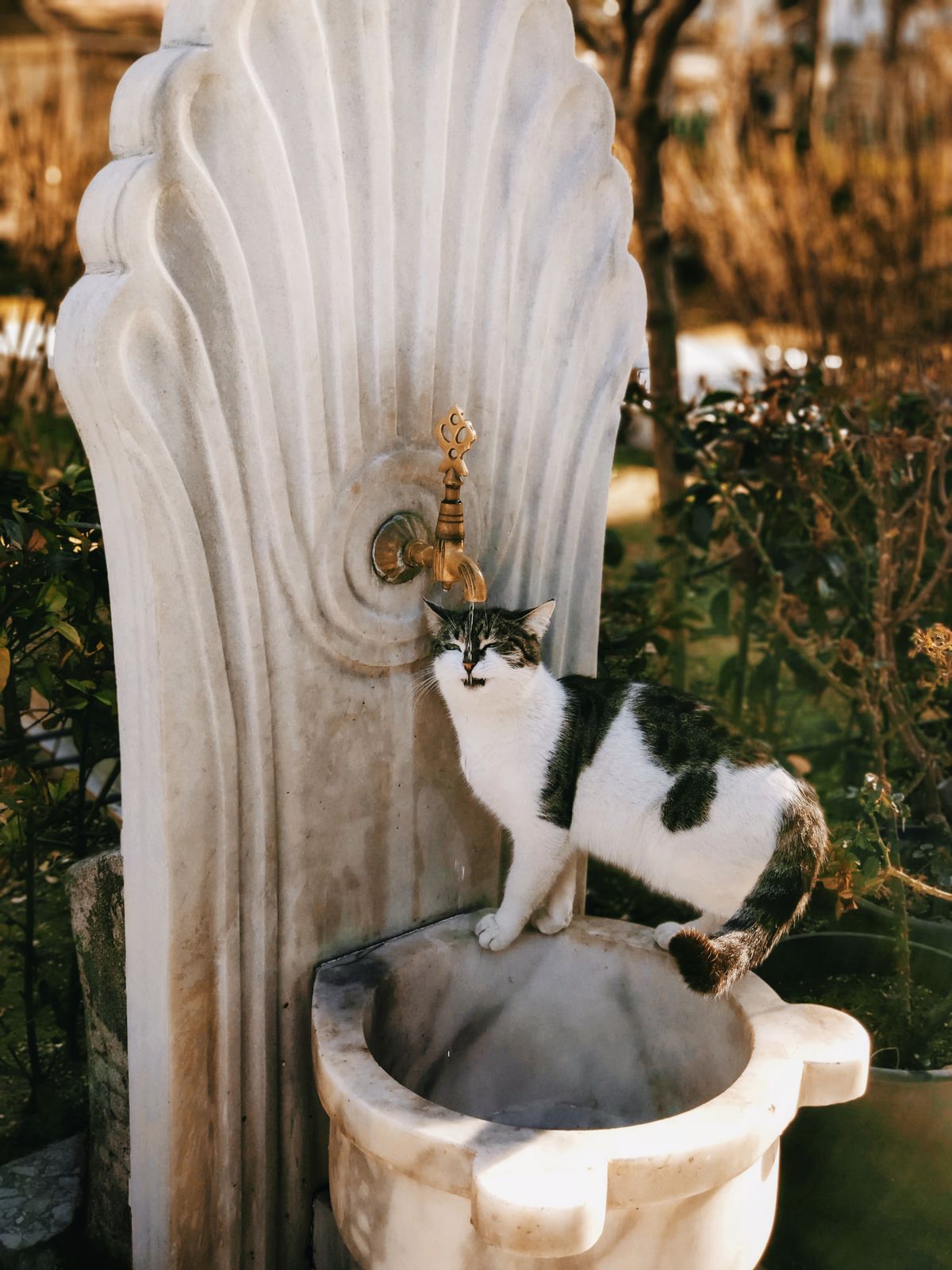
Heat also changes how cats drink. Terry Hensley, DVM, of the Texas A&M Veterinary Medical Diagnostic Laboratory (TVMDL), says continuous access to cool, clean water is extremely important for pets. The same article notes that some veterinarians and feline behaviorists suggest cats prefer flowing water, such as pet fountains (AgriLife Today, Sept. 1, 2026).
How do I choose the best wet cat food for cats in Texas heat?
Use these four checks, in this order:
- Protein first. Read the ingredient list for a named meat near the top. Water can appear first: Hill's lists water, then chicken, on its Science Diet Adult Savory Chicken Entrée page. Look for the first real protein after the water.
- Moisture. Cornell Feline Health Center says canned cat food is at least 75% moisture, versus 6 to 10% for dry. The guaranteed analysis on the label states a maximum moisture. The foods in the table below list 80% and 85%.
- Life stage statement. The FDA explains that AAFCO sets one nutrient profile for growth and reproduction and one for adult maintenance. Cornell says the label's nutritional claim should state the life stage the food is for. A kitten needs a food labeled for growth. An adult needs one labeled for maintenance.
- Price per ounce. Divide the total price, shipping included, by the total ounces. For example, a $24 case of twelve 5.5 oz cans is 66 oz, so $24 ÷ 66 is about $0.36 per ounce (example numbers, not a real product). AAHA notes that AAFCO requires calorie content on dog and cat food labels, so you can compare calories per can too.
One trap: the protein number is not always comparable. Dr. Freeman at Tufts says canned food is about 80% water and dry food about 10%, so a canned food at 8% protein and a dry food at 33% can be almost identical, about 36%, on a dry matter basis. Check whether a brand lists protein "as fed" or on a dry matter basis before you compare.
How do a few popular wet foods compare?
These are examples taken from each brand's own product page on Nov. 3, 2026. They are not rankings, and prices change often, so check the current price per ounce before you buy.
| Food | First ingredient | Protein (min) | Moisture | Life stage on the page | Size |
|---|---|---|---|---|---|
| Tiki Cat Velvet Mousse (chicken page) | Chicken | 12% as fed | 80% max | Not shown on the page | 2.8 oz pouch |
| Weruva Classic Paw Lickin' Chicken | Chicken (boneless, skinless breast) | 10% as fed | 85% max | Adult | 3, 5.5 and 10 oz cans |
| Hill's Science Diet Adult Savory Chicken Entrée | Water, then chicken | 39.9% dry matter | Not listed on the page | Adult maintenance (AAFCO statement) | 5.5 oz can |
Read the table with the checks above. Weruva has the highest stated moisture. Hill's number looks highest but is on a dry matter basis, so it is not directly comparable to the other two. For Tiki Cat, check the can or pouch for the life stage statement, since the product page did not show it.
How should I store wet cat food in Texas heat?
Tufts says canned food is best stored at 40 to 80°F and should not be frozen. If your garage, porch or car trunk runs hotter than that, store cans and pouches inside the house instead. Then follow these steps:
- Bring deliveries in the same day. A box sitting in the sun on a porch can end up outside the range Tufts gives.
- Serve one small meal at a time. Two or three small portions beat one big bowl in a hot room. Our guide to how much wet food to feed a cat per day has the calorie chart.
- Refrigerate the rest right away. The FDA says to promptly refrigerate or throw out leftover canned and pouched pet food, cover it tightly, and keep your fridge at 40°F or below.
- Write the date on the lid. Tufts says discard after 72 hours.
- Check the best-by date on unopened cans and pouches, as Tufts advises, and buy only what your cat will finish in a few weeks.
Full time limits are in our sit-out guide.
Does wet food help my cat stay hydrated in a Texas summer?
It adds water, yes. Texas A&M's Dr. Sarah Manning says a large component of wet food is water, while dry food does not have much moisture, and that a cat should drink about a cup of water per day (Texas A&M Pet Talk, July 9, 2026). So wet food contributes to your cat's daily water, but it does not replace a full water bowl. Dr. Manning adds that some cats prefer a big bowl and some prefer moving water, such as from a fountain, so a fountain is worth trying. For more on this topic, read do cats need wet food. If your cat seems unusually tired or stops eating or drinking in the heat, call your vet.
What should I do about wet cat food during a power outage or AC failure?
Plan before the storm. Texas A&M's Veterinary Emergency Team says each pet's go-bag should hold three to seven days' worth of food and water, plus bowls and, for cats, litter supplies. For wet food, a few practical points:
- Pack single-serve pouches or small cans. With no leftovers, there is nothing to keep cold. Unopened pouches and cans do not need the fridge, but store them in the coolest room, since Tufts's range tops out at 80°F.
- Keep the fridge door shut. The FDA says a refrigerator keeps food cold for about 4 hours if unopened, and to discard perishable food, including leftovers, that has been above 40°F for two hours or more. That guidance is for human food, but a cat's leftover wet food is a leftover too. When in doubt, throw it out.
- Do not save what is in the bowl. Once it has been served, the sit-out limits apply.
Where can I buy wet cat food in Texas, and what should I look for?
Whether you shop in a store or online, the checks are the same: a named protein, a stated moisture percentage, a life stage statement, and a price per ounce you worked out yourself. If you order online, add delivery to the price, and bring the box inside the day it arrives.
If you are still choosing a wet food, Haven Bowl is a US wet cat food brand with a kitten trial box so you can try four recipes before you commit to more. Starts from $19.99.

Frequently asked questions
What is the best wet cat food for cats in Texas heat?
No one food is best for every cat. Look for a named protein first, at least 75% moisture (Cornell), a life stage statement, and a fair price per ounce. Choose small portions you can finish quickly, and store opened food in the fridge.
Can wet cat food go bad in a hot house?
Yes. Tufts says opened canned food should be refrigerated at once and discarded after 72 hours. Pick up uneaten food within the time on your food's label, and use the shortest limit when the house is warm.
How much water does my cat need in the summer?
Texas A&M's Dr. Sarah Manning says a cat should drink about a cup of water per day. Wet food adds some water, but keep fresh water out too, since Texas A&M's Dr. Terry Hensley calls continuous cool, clean water extremely important. Ask your vet about your own cat.
Is wet or dry food better for hydration in Texas?
Cornell says canned food is at least 75% moisture and dry food is 6 to 10%. Wet food therefore adds more water. Keep a bowl or fountain full either way, and talk to your vet about what suits your cat.
How should I store unopened wet cat food in Texas?
Tufts says canned food is best stored at 40 to 80°F and should not freeze. Keep cans and pouches indoors, not in a hot garage, porch or car, and check the best-by date.
What should I feed my cat if the power is out?
Texas A&M advises three to seven days of food and water per pet in a go-bag. Single-serve pouches or small cans leave no leftovers to spoil. Follow the FDA: discard perishable leftovers above 40°F for two hours or more.
Should I buy a food labeled for kittens or adults?
Match the life stage on the label. The FDA says AAFCO has one nutrient profile for growth and reproduction and one for adult maintenance. A kitten needs a growth food. Ask your vet if you are unsure.
Sources
All links opened and checked on Nov. 3, 2026.
- Cornell Feline Health Center, "Feeding Your Cat": canned food at least 75% moisture vs 6 to 10% for dry; label life stage statement; refrigerate opened cans. https://www.vet.cornell.edu/departments-centers-and-institutes/cornell-feline-health-center/health-information/feline-health-topics/feeding-your-cat
- Tufts Petfoodology, Lisa M. Freeman, DVM, PhD, DACVIM (Nutrition), "The Scoop on Storing Pet Food" (Oct. 26, 2020): canned storage 40 to 80°F; refrigerate opened cans immediately; discard after 72 hours. https://sites.tufts.edu/petfoodology/2020/10/26/the-scoop-on-storing-pet-food/
- Tufts Petfoodology, Lisa M. Freeman, "What Is Guaranteed about the Guaranteed Analysis?" (Dec. 28, 2020): canned about 80% water, dry about 10%; dry matter comparison. https://sites.tufts.edu/petfoodology/2020/12/28/what-is-guaranteed-about-the-guaranteed-analysis/
- U.S. Food and Drug Administration, "Tips for Safe Handling of Pet Food and Treats" (May 23, 2024): refrigerate or throw out leftover canned and pouched food; cover tightly; fridge at 40°F or below. https://www.fda.gov/animal-veterinary/animal-health-literacy/tips-safe-handling-pet-food-and-treats
- U.S. Food and Drug Administration, "Complete and Balanced Pet Food": AAFCO profiles for growth and reproduction and for adult maintenance. https://www.fda.gov/animal-veterinary/animal-health-literacy/complete-and-balanced-pet-food
- U.S. Food and Drug Administration, "Power Outages: Key Tips for Consumers About Food Safety": refrigerator keeps food cold about 4 hours if unopened; discard perishable food above 40°F for two hours or more. https://www.fda.gov/food/food-safety-during-emergencies/power-outages-key-tips-consumers-about-food-safety
- Texas A&M AgriLife Today, "Why dogs and cats can't 'sweat out' summer heat" (Sept. 1, 2026), Terry Hensley, DVM, TVMDL: continuous cool, clean water; cats prefer flowing water. https://agrilifetoday.tamu.edu/2026/09/01/why-dogs-and-cats-cant-sweat-out-summer-heat/
- Texas A&M College of Veterinary Medicine & Biomedical Sciences, Pet Talk, "Water Worries: The Dangers of Dehydration in Pets" (July 9, 2026), Dr. Sarah Manning: about a cup of water a day; wet food is largely water. https://vetmed.tamu.edu/news/pet-talk/pet-dehydration-signs-prevention/
- Texas A&M Veterinary Emergency Team, "Be Prepared": three to seven days of food and water per pet; litter supplies for cats. https://vetmed.tamu.edu/vet/be-prepared/
- American Animal Hospital Association, "Feeding Plans for Healthy, Appropriate Weight Cats and Dogs" (2021 Nutrition and Weight Management Guidelines): AAFCO requires calorie content on dog and cat food labels. https://www.aaha.org/resources/2021-aaha-nutrition-and-weight-management-guidelines/feeding-plans-for-healthy-appropriate-weight-cats-and-dogs/
- Tiki Cat, Velvet Mousse product page: chicken first; 12% protein min; 80% moisture max; 2.8 oz pouch. https://tikipets.com/product/tiki-cat/tiki-cat-wet-food/shredded-cat/after-dark/chicken/
- Weruva, Classic Cat Paw Lickin' Chicken: chicken breast first; 10% protein min; 85% moisture max; life stage adult. https://www.weruva.com/products/paw-lickin-chicken-cat-can
- Hill's Pet, Science Diet Adult Savory Chicken Entrée: water then chicken; protein on dry matter basis; AAFCO maintenance statement. https://www.hillspet.com/cat-food/sd-feline-adult-savory-chicken-entree-canned
This post is for general information. It is not veterinary advice. If you have questions about your cat's diet or health, talk to your vet.
Photos: Valeria Makai, Zühre on Pexels (free licence).
