

Do Cats Need Wet Food? What the Water Numbers Say
Short answer: No cat is required to eat wet food, but it is one of the easiest ways to get more water into your cat's day. Canned cat food is at least 75 percent water, while dry food is only 6 to 10 percent, according to the Cornell Feline Health Center. Cats that eat wet food may drink less from the bowl because they are already getting water from their meals. If you are weighing wet against dry, or thinking about mixing the two, this post walks through what the numbers mean and how to decide with your vet.
How much water does a cat need? Why food matters
Cats are obligate carnivores. Their bodies are built around meat, and fresh meat carries a lot of moisture with it. A bowl of dry kibble does not.
That is a big part of why many cat parents notice their cat does not seem to drink much. A cat on a dry diet has to make up the difference at the water bowl, and plenty of cats are not eager drinkers.
Cornell's hydration guidance gives a rough benchmark: cats need to consume about 4 ounces of water per five pounds of lean body weight per day, so the average 10-pound cat should drink about one cup of water per day. That is the total, from all sources, including food.
Wet food vs dry food: water content compared
Here is how the two formats compare, using Cornell Feline Health Center figures:
| Food type | Typical water content |
|---|---|
| Dry food (kibble) | 6 to 10 percent |
| Canned / wet food | At least 75 percent (Cornell also describes wet food as typically 70 to 80 percent) |
Cornell's page puts it plainly: cats that eat wet food, which can contain up to 80 percent water, may drink less, and cats that eat dry food usually take more of their daily water in by drinking.
So the gap is not small. For a cat eating mostly kibble, nearly all the water has to come from the bowl. For a cat eating mostly wet food, a good share of it arrives with dinner.

So does your cat need wet food?
Here is the honest version.
- Need: A cat needs water, and a diet that is right for their life stage. It does not have to be wet food specifically.
- Helpful: Wet food is a simple, low-effort way to add moisture, especially for cats that ignore their water bowl.
- Personal: Your vet knows your cat's age, weight and history. Cornell's own advice is that your veterinarian is your best resource for choosing cat foods and how to feed them.
If your cat has any health condition, is a senior, or has recently changed how much they eat or drink, talk to your vet before changing the diet. Changes in drinking habits are worth mentioning at a checkup. Not sure how often that should be? See our cat checkup guide by life stage.
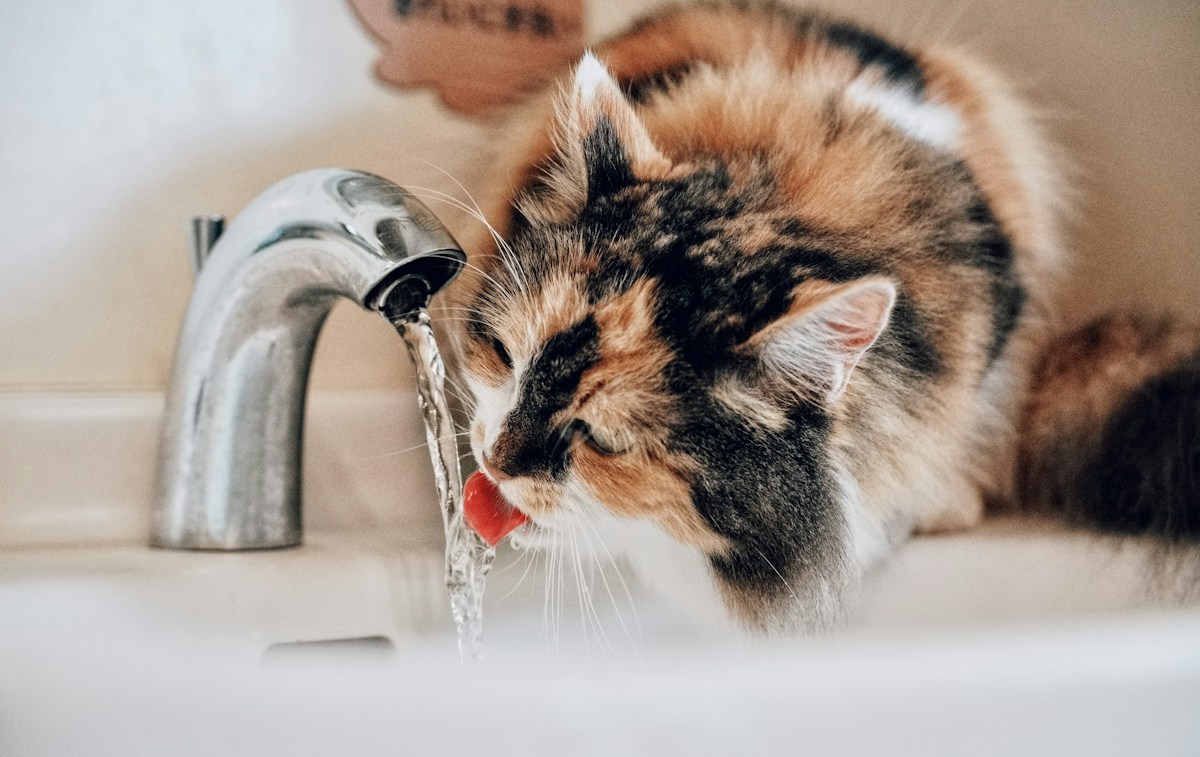
How to get your cat to drink more water
You do not have to pick one format and drop the other. Cornell lists several simple ideas for encouraging a cat to take in more water:
- Keep fresh water available in easy-to-reach places. More than one bowl, in more than one room, helps.
- Watch for bowl conflicts. If you have more than one pet, make sure no one is guarding the water.
- Try a fountain. Some cats love running water. Cornell notes preferences vary, so it may take a test.
- Feed wet food, or add water to food. This is the one that does the most work with the least effort.
- Try flavored water. Cornell mentions a small amount of water from a can of tuna or low-sodium chicken broth. Check with your vet before trying either.
A mix works for many households: wet food at breakfast and dinner, with kibble as a snack or puzzle-feeder reward, plus fresh water always out.
How to add wet food to your cat's diet
Cats can be set in their ways. A sudden change can lead to a cat that simply refuses dinner, so go slowly.
A gentle approach:
- Days 1–3: Add a spoonful of wet food to their usual meal.
- Days 4–7: Make it a quarter to half of the meal.
- Week 2: Move toward the mix you want, watching appetite and litter box habits.
Serve it at room temperature. Straight from the fridge, many cats turn their nose up. If they refuse it completely, slow down rather than push, and ask your vet if the refusal lasts.
What to look for in a wet cat food
Not all wet foods are the same. A few things worth checking:
- Protein first. Because cats are obligate carnivores, look for a named animal protein at the start of the ingredient list, like chicken, duck or salmon.
- Moisture. The "guaranteed analysis" on the label lists a maximum moisture percentage.
- Your cat's life stage. Kitten, adult and senior cats do not eat the same way. Check that the food is labeled for your cat's life stage.
- Ingredients you can read. Short lists are easier to understand.

How much wet food should a cat eat?
Wet food usually has fewer calories per ounce than dry, so portion sizes look bigger. Feeding instructions on a label are based on the average cat. Cornell notes you may be feeding more than necessary if your cat is less active than average. Weigh your cat at home or at the vet now and then, and ask how much to feed. Feeding a kitten? Our kitten feeding schedule by age covers how many meals to serve.
The bottom line
No cat strictly needs wet food, but it is a practical way to add water to a diet that tends to run dry. Canned food is at least 75 percent water against 6 to 10 percent for kibble, and cats eating wet food may drink less at the bowl because their meals are doing some of the work. Whatever you feed, keep fresh water out all day, and talk to your vet about what suits your cat.
If you would like to see how your cat takes to wet food before committing to a big supply, our kitten trial box lets you try four recipes of our fresh, preservative-free wet food.
This post is for general information. It is not veterinary advice. If you have questions about your cat's health, diet or drinking, talk to your vet.
Frequently asked questions
Do cats need wet food?
No cat is required to eat wet food, but it is one of the easiest ways to get more water into your cat's day. A cat needs water and a diet that is right for their life stage. Your vet can help you decide what suits your cat.
How much water is in wet cat food compared to dry?
According to the Cornell Feline Health Center, canned cat food is at least 75 percent water, while dry food is only 6 to 10 percent.
Do cats that eat wet food drink less water?
They may. Cornell notes that cats eating wet food, which can contain up to 80 percent water, may drink less at the bowl, while cats on dry food usually take in more of their daily water by drinking.
How much water should a cat drink a day?
Cornell gives a rough benchmark of about 4 ounces of water per five pounds of lean body weight per day, so a 10-pound cat needs about one cup in total, from all sources including food.
Can I feed my cat both wet and dry food?
Yes. Many households serve wet food at meals and use a little kibble as a snack or puzzle-feeder reward, with fresh water always out.
How do I switch my cat to wet food?
Go slowly. Add a spoonful of wet food to the usual meal for the first three days, make it a quarter to half of the meal by days 4 to 7, then move toward the mix you want in week 2. Serve it at room temperature and ask your vet if your cat keeps refusing it.
Sources
- Cornell Feline Health Center, "Feeding Your Cat": dry food contains six to 10 percent water; canned cat food has a moisture content of at least 75 percent. https://www.vet.cornell.edu/departments-centers-and-institutes/cornell-feline-health-center/health-information/feline-health-topics/feeding-your-cat
- Cornell Feline Health Center, "Hydration": cats need about 4 ounces of water per five pounds of lean body weight per day; cats that eat wet food may drink less; tips to increase drinking. https://www.vet.cornell.edu/departments-centers-and-institutes/cornell-feline-health-center/health-information/feline-health-topics/hydration
- Cornell Feline Health Center, "How often should you feed your cat?": wet food is typically about 70 to 80 percent water; label feeding amounts are based on the average cat; your veterinarian is your best resource. https://www.vet.cornell.edu/departments/cornell-feline-health-center/health-information/feline-health-topics/how-often-should-you-feed-your-cat
